Returns Without Code: From Chaos to Calm for Small Online Retailers
Today we are building a no-code returns and reverse logistics process for small online retailers, turning what often feels like costly chaos into a calm, repeatable system. With approachable tools, simple automations, and human clarity, you will speed resolutions, recover margin, and turn exchanges into second chances. Share your current stumbling blocks and we will help connect the dots together.
Self-Serve Portal Setup
Use a lightweight, branded portal that lets customers authenticate, select items, pick reasons, and choose refund, exchange, or credit without contacting support. Tools like Shopify’s native flows, ReturnGo, or AfterShip Returns Center work well; even a Google Form connected to Airtable via Zapier can be surprisingly robust. The key is instant confirmation, clear instructions, and an RMA ID that shows status without staff intervention.
Policies That Build Trust
Write policies in plain language with a friendly tone, visible before checkout and reiterated in post-purchase communications. Define windows for returns, acceptable condition, restocking rules, final sale exceptions, and exchange-friendly options for size and color. Consider offering free returns above a threshold to protect margin. Small tweaks, like extended holiday windows, reliably lower anxiety and make customers comfortable trying you again.

Assemble a No-Code Stack That Just Works
Pick tools you already know, then connect them with simple, reliable automations. Your storefront holds order data, a spreadsheet or Airtable captures RMA records, and automation glue moves information where it needs to go. Label platforms generate barcodes instantly, while notifications keep buyers informed. This approach avoids custom engineering, scales with you, and lets you tweak workflows on busy mornings without calling a developer.
Automate the RMA Lifecycle End-to-End
Treat every return like a simple, predictable workflow. Eligibility checks, approvals, label creation, and status updates should run without manual nudges. A single RMA record controls everything, including disposition, refund timing, and customer communications. When exceptions happen, your automation asks clarifying questions or flags a human. The result is fewer delays, happier customers, and fewer cost surprises at month-end reconciliation.
Smart Eligibility and Approval Logic
Create filters for return window, condition, excluded categories, and repeated behaviors. If inside the window and in acceptable categories, auto-approve and issue the label. If something is borderline, request quick photos to validate claims without friction. Capture reason codes for later analysis, like size mismatch or damaged on arrival. A clear ruleset protects margins while keeping genuinely disappointed customers feeling heard.
Label Creation and Routing Rules
Once approved, automatically generate a label and route it based on SKU, location, or disposition plan. Send replenishable items to your main warehouse, defective items to a repair station, and liquidation candidates to a consolidator. Include scannable RMA IDs for rapid intake. With rules set, shipping costs fall, transit times shorten, and you avoid the expensive shuffle of misrouted packages bouncing between facilities.
Refunds, Exchanges, and Store Credit
Build branching paths for outcomes. For exchanges, reserve replacement stock immediately and notify the buyer. For store credit, issue a single-use code that syncs back to your CRM. For refunds, confirm inspection results before releasing funds. Automations nudge accounting with a daily digest and post updates to the customer. The faster you close the loop fairly, the more likely shoppers return for their next purchase.
Operational Excellence in Reverse Logistics
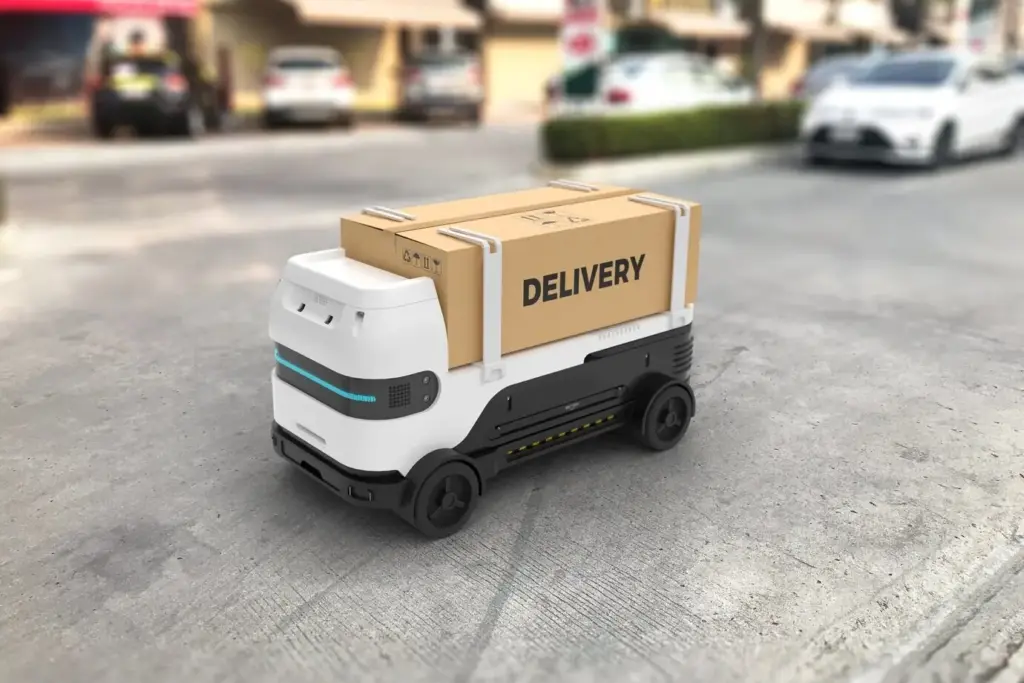
Intake Stations Built for Speed
Set up a dedicated table with a scanner, measuring tape, lightbox for photos, and bins labeled by next step: restock, repair, refurbish, recycle. Scan the RMA, photograph if needed, and confirm contents against the original order. A tidy layout eliminates searching for tape or boxes. This saves minutes per parcel, which adds up quickly during seasonal peaks when returns surge unexpectedly.
Grading, Disposition, and Restocking
Define grades like A (new), B (open box), C (used), and D (defective). Map each grade to specific actions: immediate restock, discounted resale, refurbishment, or parts harvesting. Capture reasons to guide improvements upstream. Updating the RMA with grades and notes creates transparency for finance and merchandising. The faster you return A-grade items to available inventory, the more gross margin you rescue without spending on replenishment.
Exception Handling Without Meltdowns
Expect edge cases: missing accessories, signs of wear, or mismatched serial numbers. Create a two-step path: temporary hold with a customer message requesting clarification, followed by either approval, partial refund, or denial with polite rationale. Automations set reminder timers so holds never age out silently. By being fair and specific, you reduce disputes and keep your chargeback rate from creeping into dangerous territory.
Communication That Prevents Support Tickets
Proactive communication beats reactive apologies. Clear emails and SMS at each milestone—request received, label issued, parcel in transit, item inspected, resolution completed—lower anxiety and reduce repetitive “any update?” messages. A simple status page linked from every message lets customers self-check progress. Templates with kind language and realistic timelines build trust, even when outcomes are not perfect. Invite replies to catch small issues early.
Measure, Improve, and Cut Costs Without Writing Code
A simple dashboard reveals where money leaks and where customers get stuck. Track success with a handful of metrics: return rate, time-to-approval, time-to-refund, cost per return, salvage value, and restock recovery. Instrument automations to log timestamps so data collection is effortless. Meet weekly to review trends, then make one small change at a time. Sustainable improvement comes from consistent visibility, not heroic one-off rescues.
KPIs You Can Trust in a Lightweight Dashboard
Build a live view in Airtable or Google Looker Studio that pulls from your RMA table and label service. Visualize aging RMAs, average turnaround by product, and cost per carrier. Segment by reason code to identify preventable issues like packaging damage. When everyone can see the same numbers, prioritization becomes obvious. You will find quick wins that pay back software costs many times over.
Iterate Policies and Test Small Changes
Run controlled experiments: extend return windows for loyalty members only, offer instant store credit on select categories, or test QR-only labels to increase drop-off speed. Measure impact on repeat purchases, abuse rates, and time-to-refund. Document learnings in your playbook so seasonal staff can replicate success. Iteration turns returns from a cost center into a strategic advantage that compounds with every carefully measured improvement.
All Rights Reserved.